Trade-by-trade, state-by-state: do you actually need Workers' Comp? Plain answers, no scare tactics.
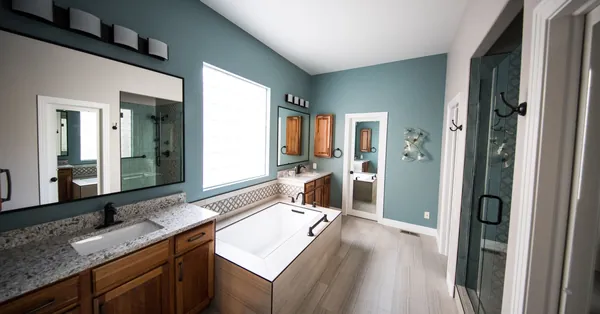
Tile setters may be asked for proof of workers' comp. This article explains why, and what one-person businesses actually need.
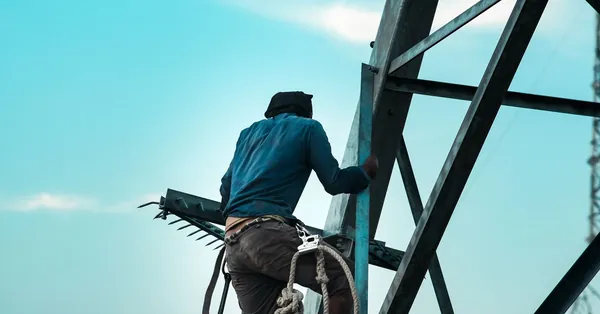
Roof work can't be covered by a ghost policy. Here's what workers' comp for roofers covers and what a one-person roofing business needs instead.
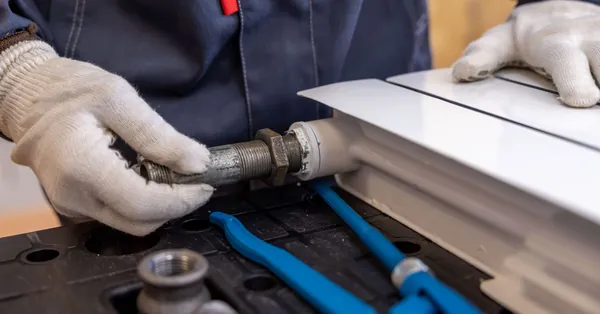
You’re a solo plumber and need workers' comp for a certificate. Here’s what you actually need.
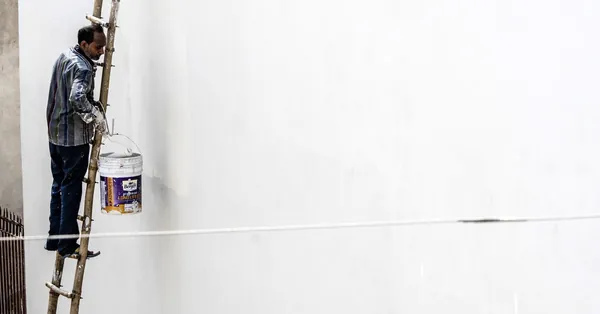
A one-person painting business may need workers' comp to show proof to clients. Here's what a ghost policy does and what it does not cover.

You do landscaping alone and someone asked for a certificate. Here’s what you need for workers' comp.
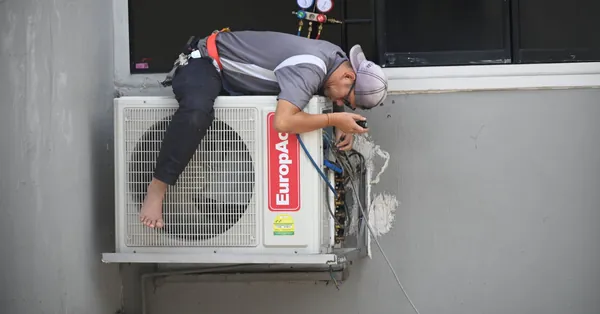
You need workers' comp if you're asked for proof. Here’s what it does and what you must know.
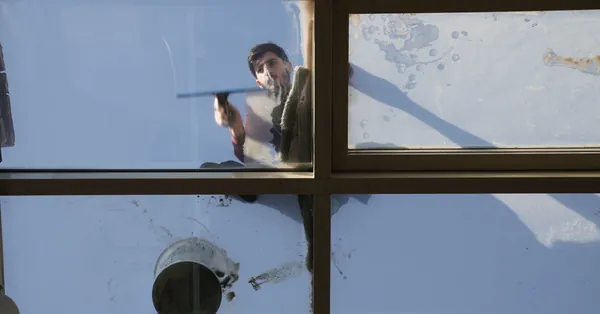
You're a house cleaner working alone and someone asked for a certificate. Here's what you need to know about workers' comp.
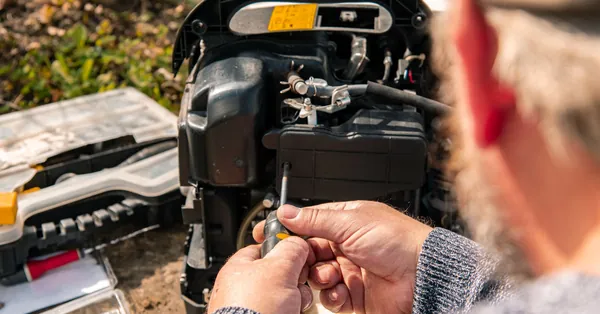
A handyman who works alone needs workers' comp to prove they have coverage, even if they don't have employees. Here's what you actually need.
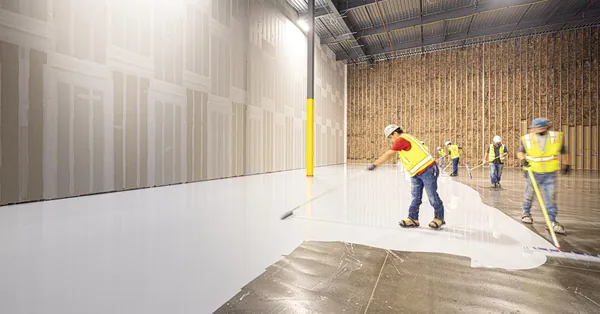
A one-person flooring installer needs workers' comp to prove coverage exists. Learn what it does and what it does not cover.
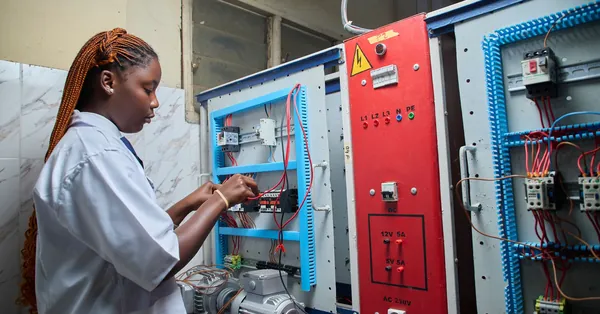
Learn what a one-person electrician business needs in workers' comp. Get a real quote in minutes.
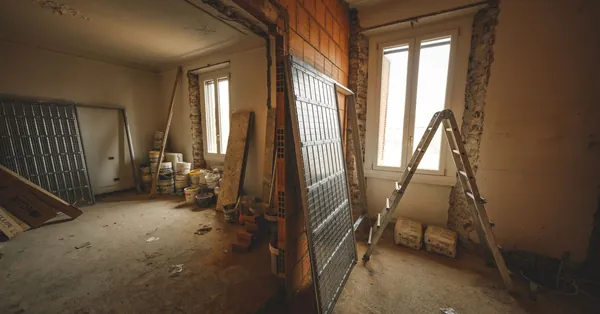
You're a drywall finisher with no employees. Here's what you need to know about workers' comp.
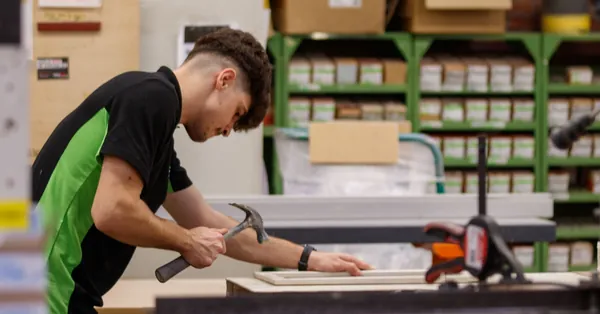
Carpenters working alone may be asked for proof of workers' comp. Learn what it covers, who asks for proof, and what happens when you hire a helper.