
You Need Workers' Comp If Someone Asks You For Proof
If someone asks you to show a certificate of insurance, you need workers' comp. This kind of insurance pays for work-related injuries to people who are covered under the policy. Most of the time, the person who hires you will ask for proof. This is common in construction, repair, and service work. If you're told to send a certificate, you need to get coverage.
Workers' comp is not the same as liability insurance. It only helps when someone who is covered gets hurt at work. It does not help if someone else gets hurt or sues you. So if your job requires proof, it's probably workers' comp they need to see.
What Injuries Happen in HVAC Work?
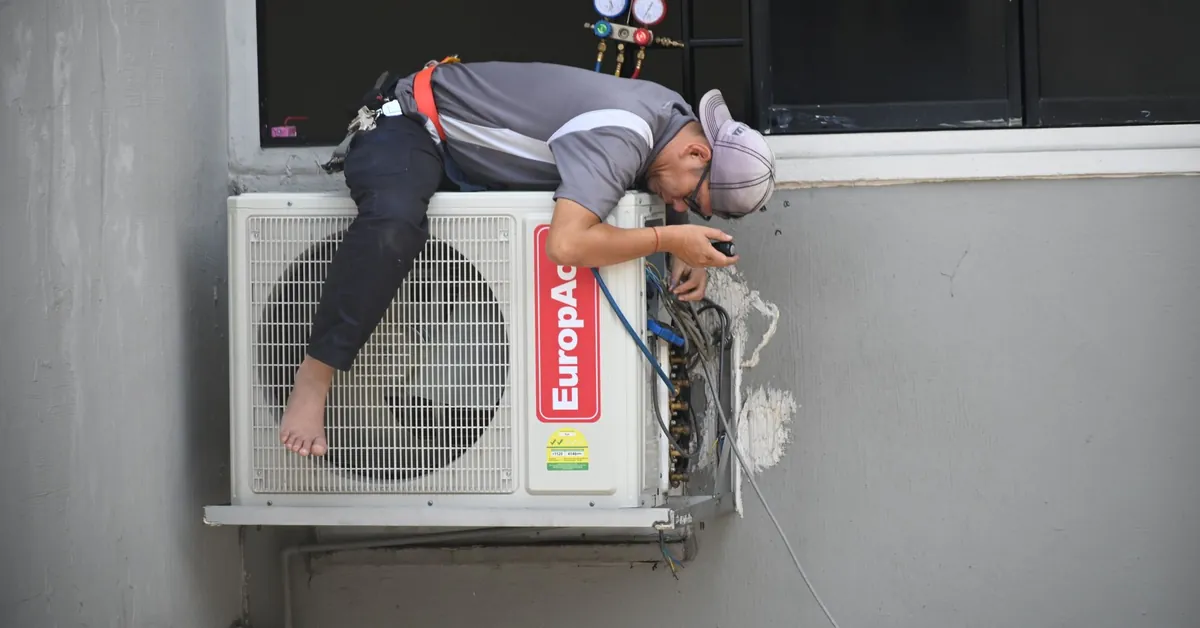
HVAC technicians deal with heavy equipment, electricity, and tight spaces. These situations can lead to injuries like cuts, burns, falls, and muscle strains. These things can happen to you or anyone else on the job site. Workers' comp pays for medical care and other costs if an injury happens at work and the person is covered.
For example, if you slip on a wet floor while installing an air conditioner, and you're covered, the policy will pay for your doctor visits and maybe lost wages. But if you're not covered and you get hurt, you would pay for everything yourself.
The Policy Does Not Cover You By Default
By default, the policy does not cover you, the owner. This means if you get hurt at work, the policy does not pay for your medical bills. If you want to be covered, you must choose to include yourself when you get your quote. This is called an owner inclusion election, and it costs more.
Most people start with a ghost policy which only proves coverage exists. It does not cover you. If you want to be covered, you must choose to include yourself. You can do this during your quote process.
Who Asks for Proof of Coverage?
Businesses and property owners often ask for a certificate of insurance (COI) to make sure you have workers' comp. This is part of their own rules to protect themselves. If you're hired to install or repair HVAC systems, the person or company hiring you might ask for a COI. The certificate shows the insurance company's name, the policy number, the dates, and the coverage types.
For example, a building owner might ask for a COI before letting you into the building. A general contractor might ask for it before you start work on a job site. If you are working on a government contract, they might ask for a COI too.
What Changes If You Hire a Helper?
If you hire someone to work with you, they are now covered under the policy. You must make sure they are listed as employees, and you must still have workers' comp in place. The policy helps you by paying for their medical costs if they get hurt on the job. You can also choose to cover yourself by making the owner inclusion election when you get your quote.
Once you hire someone, you need to make sure the insurance includes them. If you don't, and they get hurt, the policy won't help. So it's important to check that the policy includes any employees you hire.
The Coverage Depends on the State and the Work You Do
The cost and details of the coverage depend on the state you live in and the kind of work you do. Each state has its own rules about workers' comp. You can find the right class code for your work during the quote process. The code helps set the price, but the coverage itself is the same for all people listed in the policy.
For example, if you work in California, your state uses its own classification system. If you work in a state that uses NCCI class codes, they will be different from California. You don't need to remember the code — the quote process will find the right one for you. Just make sure the work you do matches what the code covers.
What If You Get Injured and Are Not Covered?
If you are not covered and you get hurt at work, the policy does not pay for your medical bills. You would have to pay for them yourself. If you are working with a helper and they are not covered, the policy does not pay for their care either. Always make sure you know who is covered and what the policy includes.
It's important to know that the policy only helps people who are listed as covered. If you're not listed, and you get hurt, there's no help. That's why it's so important to choose whether to include yourself in the policy when you get your quote.
How to Get Your Policy
Getting your policy is easy. You can start your quote in minutes. You will answer a few questions about your work and the state you're in. The quote will show you the real price for your business. You can choose to include yourself as an owner if you want to be covered. Once you're done, you'll get the policy documents and the certificate of insurance you need.
During the quote process, you'll also see the class code for your work. This code helps set the price. You don't need to remember it — the system will use it to give you the right price. You'll also be asked if you want to include yourself in the policy. If you do, the price will be higher. If you don't, you'll get a ghost policy that proves coverage exists but does not cover you.
What the Policy Doesn't Cover
Workers' comp does not cover injuries that happen outside of work. If you break your leg playing basketball, the policy won't help. It also doesn't cover injuries that are not related to the work you do. For example, if you get into a car accident on your way home, the policy doesn't help with that.
Also, the policy does not cover injuries to your car or your tools. It only covers injuries to people who are listed as covered. So if your van is damaged in a crash, the policy won't help with repairs. If your tools break, the policy won't pay for replacements.