UNO's flagship product, explained end to end — what a Ghost Policy is, what it covers, and what it doesn't.
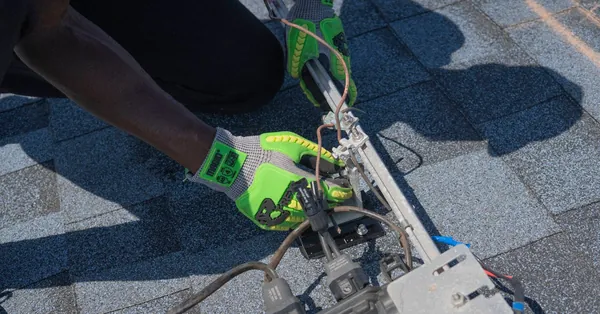
Electricians need to send a workers' comp certificate. Find out if a ghost policy works for you.
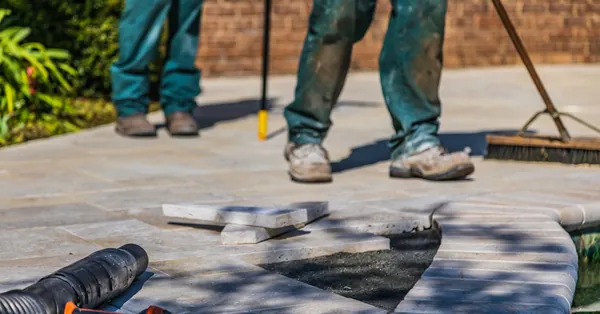
Tile setters with no employees or subcontractors can get a ghost policy. It proves coverage exists but doesn't cover the owner. Start your quote in minutes.

Roof work is work at height, and work above 15 feet can't be covered by this program. A roofer needs regular workers' comp, not a ghost policy.
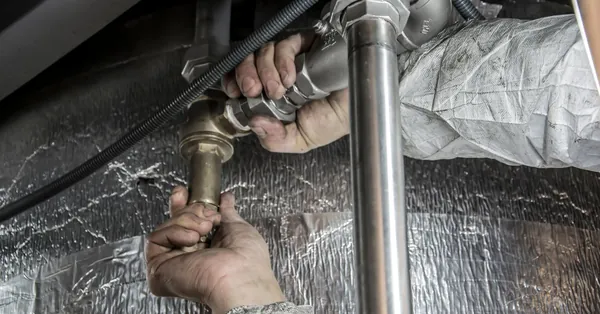
Find out if a plumber can get a ghost policy to satisfy a certificate request without covering the owner.
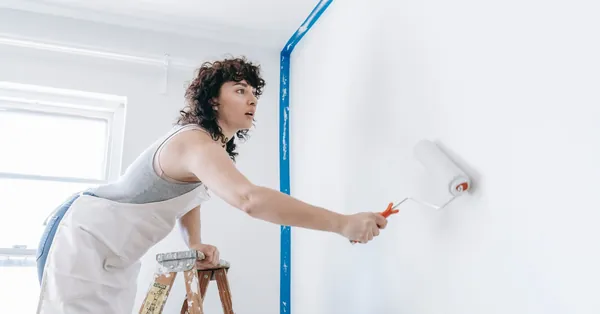
A painter who works alone, with no subcontractors and no work above 15 feet, can get a ghost policy. Here's what it proves and what it does not cover.

Learn if a landscaper can get a ghost policy and how it works for one-person businesses.
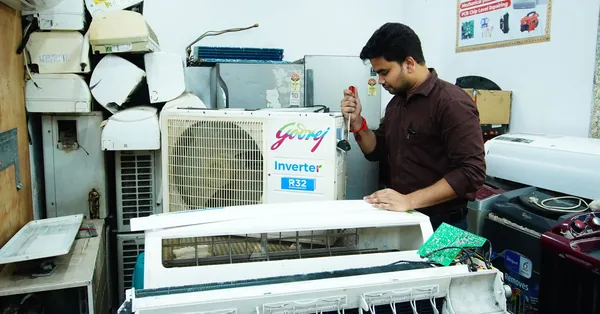
An HVAC technician with no employees or subcontractors can get a ghost policy, as long as no work goes above 15 feet. Here's how it works.
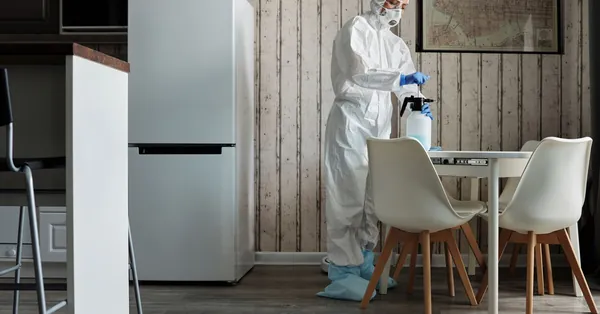
Yes, a house cleaner can get a ghost policy for workers' comp to prove coverage exists when asked for a certificate.
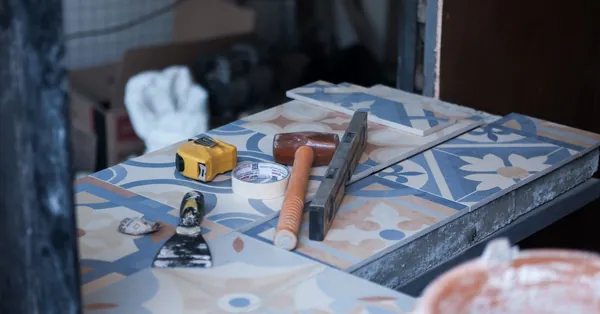
A flooring installer can get a ghost policy to prove workers' comp coverage. Learn how it works and what it covers.
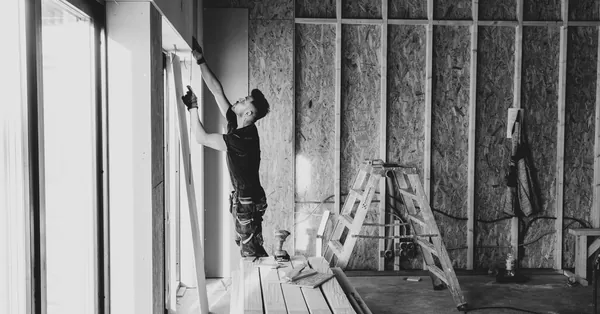
A drywall finisher can get a ghost policy if they are a one-person business. Learn if you're eligible and what it covers.
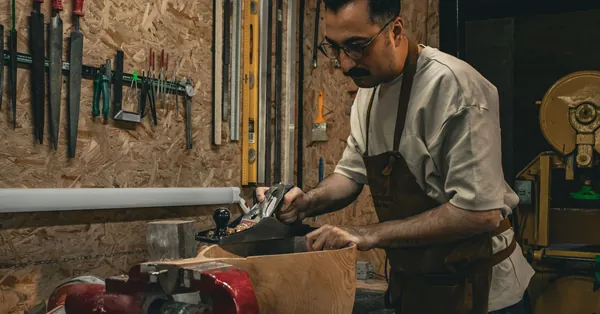
A carpenter with no employees and no subcontractors can get a ghost policy to show proof of workers' comp. It does not cover you, the owner.

Learn why general contractors accept ghost policies and when they might ask for more proof.